Long Drive
Six things decide how far it goes. It is easy to chase one and ignore the rest.
Strike counts most: center contact beats every other fix. Here is each one, short.
Equipment

The driver has to fit you. The one off the rack fits nobody.
- LoftToo little and it never climbs. Too much and it climbs too soon. The right number follows your speed.
- ShaftToo stiff costs speed. Too heavy costs more, and weight is the part players overlook.
- FixGet fitted. It is the only distance you can buy.
Swing path

Path is where the club travels. Face is where it points.
- The ruleThe face sends it and the path bends it.
- The faultOut to in with an open face. Starts left, leaks right.
- FixSquare the face first. A good path cannot rescue an open one.
Ball flight

Distance is launch and spin. Effort is not on the list.
- LaunchThe ball needs height to carry. Low drives run out of air early.
- SpinSpin holds it up. Too much and it balloons, then drops dead.
- FixHigh launch, less spin. Get on a monitor once and learn your own numbers.
Legs

Speed starts at the floor. The arms arrive last.
- The groundYou push down. It pushes back. That is the power.
- The orderHips, torso, arms, club. Out of order and the speed leaks.
- FixClear the lead hip. A belt buckle still facing the ball means the legs never fired.
Hands
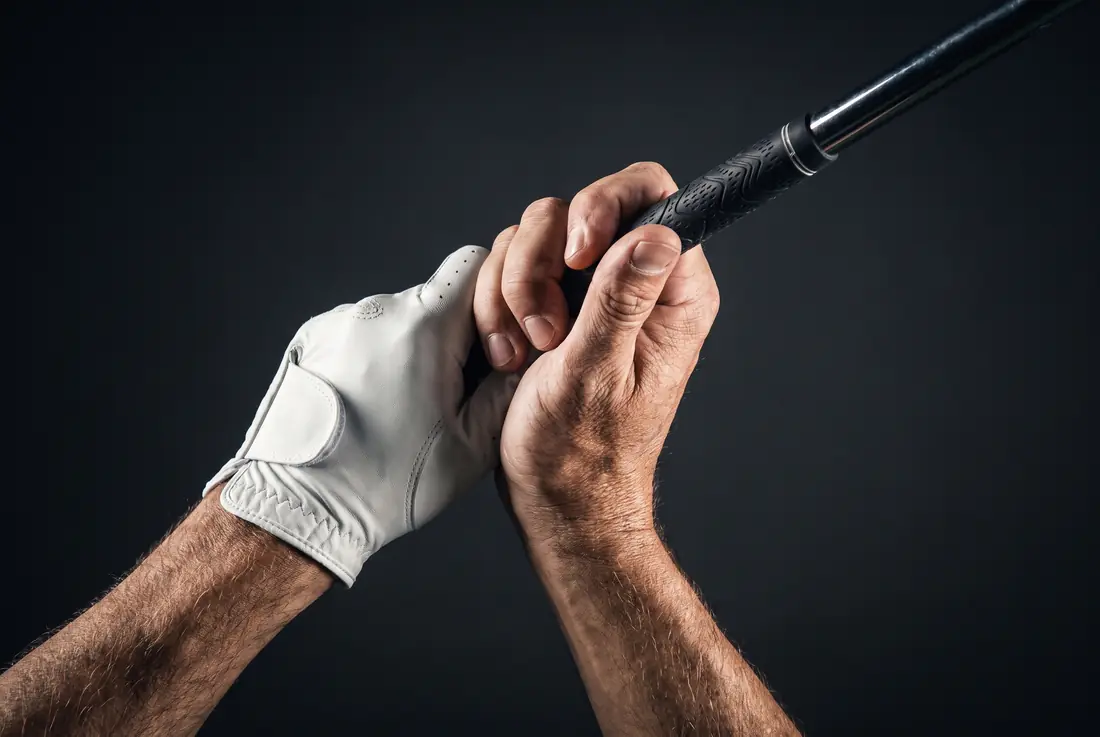
Hands deliver the speed. They do not make it.
- PressureTight hands slow the club. Squeezing has never added a yard.
- The hingeThe wrists store speed. Release it early and it is gone before impact.
- FixHold it lighter than feels safe. Let it release.
Strike

Center contact beats all five of the above. Nothing else is close.
- WhyOff the toe leaves slower than off the middle. Same swing, fewer yards.
- The trapMore speed with fewer center hits is a shorter drive.
- FixSpray the face and hit ten. The marks show where you strike it.
Find out if it helped.
You added twenty yards. Now go see what the card says about it.
Big Fairways keeps one card for the group. It tracks fairways hit, greens in regulation and putts. That is how you learn whether the big one is paying or costing. It runs Skins, Wolf and a Nassau at the same time, and SettleUp does the math. Free, so put the round on Big Fairways before you tee off.
Straight answers
What is the fastest way to add distance?
Does a longer driver shaft hit it further?
Should you swing harder to hit it further?
Is it better to hit it straight or far?
Got a number?
Longest you have hit one, and what you made on the hole. The second part is the story.